The Thrill of Chance and Risk
The allure of casino gambling is deeply rooted in the excitement that chance and risk evoke. People are often captivated by the unpredictability of outcomes, where a simple spin of a wheel or a roll of dice can result in significant financial gains or losses. This thrill generates an adrenaline rush, making it an irresistible experience for many, especially when considering various betting sites canada options that enhance the overall excitement. Psychologically, this excitement triggers the brain’s reward system, releasing dopamine—a neurotransmitter linked to pleasure. This chemical response reinforces gambling behavior, encouraging individuals to view it as a source of entertainment and excitement.
Moreover, casinos are meticulously designed to enhance this sense of thrill. The vibrant colors, flashing lights, and the symphony of sounds from winning machines create a sensory overload that heightens the experience. This environment allows players to escape their everyday concerns, immersing themselves completely in the gameplay. Such immersion often leads to a phenomenon known as the “near-miss effect,” where players feel they were close to winning, motivating them to continue playing in hopes of achieving that elusive victory. This psychological trick keeps players engaged, often leading them to gamble longer than they initially intended.
Interestingly, the attraction to risk-taking in gambling often mirrors deeper psychological traits. Certain individuals are naturally predisposed to seek out risk, gravitating toward situations characterized by uncertainty. These traits are frequently associated with personality factors such as extraversion and sensation-seeking. Therefore, for many, gambling serves not only as an entertaining diversion but also as a method for self-expression and exploring personal boundaries within a controlled environment. This connection between personality and gambling behavior is critical for understanding why some people become more immersed in the gambling world than others.
The Role of Cognitive Biases
Cognitive biases significantly influence how individuals approach gambling. A prevalent bias is the illusion of control, where players mistakenly believe they can influence outcomes in games that are fundamentally random. This erroneous belief can lead to dangerous behaviors, such as overconfidence in one’s skills or strategies, prompting players to take risks that they might otherwise avoid. For example, a player may convince themselves they can predict the outcome of a roulette spin based on previous results, continuously wagering despite the game’s inherent randomness.
Additionally, gamblers are often susceptible to the gambler’s fallacy, which is the misunderstanding that past outcomes impact future events. After experiencing a series of losses, a player might think they are “due” for a win, leading to a cycle of chasing losses. This mindset can create a detrimental pattern where individuals continue to gamble in an effort to recover their previous losses, often resulting in greater financial distress. By understanding these cognitive biases, we can gain valuable insights into why individuals struggle to leave the tables, even when it would be in their best interest to do so.
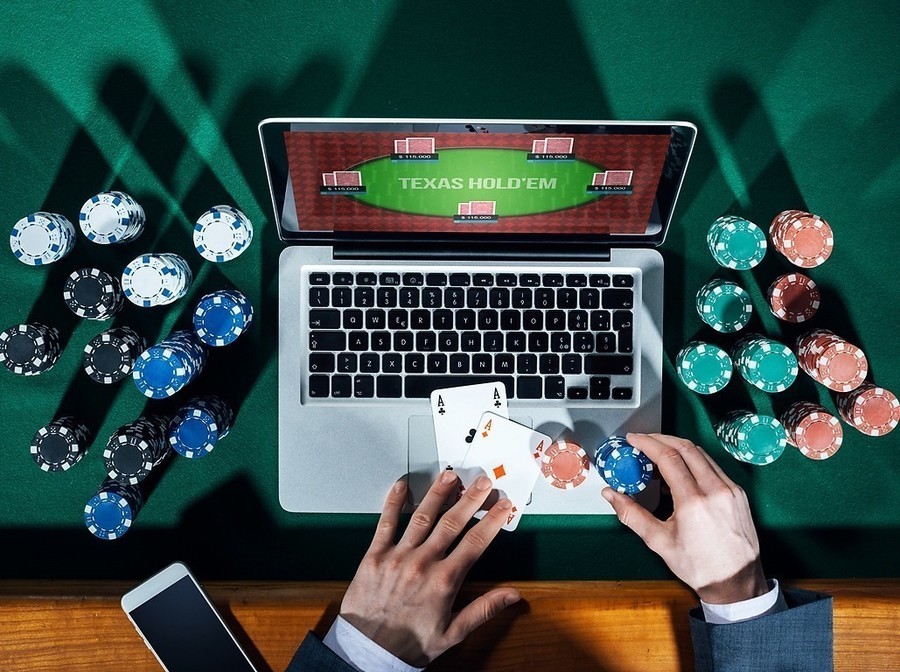
The presence of these biases underscores the importance of self-awareness and education in promoting responsible gambling. By recognizing these thought patterns, individuals can manage impulsive reactions more effectively, making more rational decisions regarding their gambling habits. This awareness enables players to enjoy the thrill of gambling while minimizing the risk of falling victim to cognitive errors, ultimately fostering healthier relationships with the activity.
The Social Aspects of Casino Gambling
Casino gambling transcends individual pursuits; it frequently serves as a social activity that fosters community and interaction among players. Many individuals derive enjoyment from the camaraderie that arises from gambling with friends or even strangers at a shared table. This social aspect enhances the overall experience, allowing players to celebrate wins together and commiserate over losses, creating a sense of belonging that further encourages participation in gambling activities.
Moreover, casinos often host events and tournaments, attracting large crowds and creating a festive atmosphere that draws both gamblers and spectators alike. These events can develop into traditions, where individuals return to the same venues for annual festivities, deepening their connections with both the location and fellow participants. Such communal experiences often make gambling feel less like a solitary endeavor and more like a social event, enhancing the enjoyment and engagement of players.
However, while social interactions can amplify the appeal of gambling, they can also lead to negative outcomes. The dynamics of group behavior may sometimes encourage risky actions, as individuals might feel pressured to match the betting practices of their peers. Recognizing this duality is crucial for gamblers who wish to maintain control over their habits and make informed choices about their participation. Striking a balance between social enjoyment and responsible gaming is essential to ensure a positive gambling experience.
The Impact of Emotional States
Emotions significantly shape the gambling experience for many individuals. Many turn to casinos as an escape from stress, anxiety, or depression, seeking the adrenaline rush as a temporary relief from their daily struggles. While this emotional escape can seem beneficial initially, it can lead to problematic gambling behaviors when individuals rely on gambling as their primary coping mechanism. The thrill of winning may provide a brief respite from emotional pain, but the potential for loss can intensify negative feelings, creating a vicious cycle that is difficult to break.
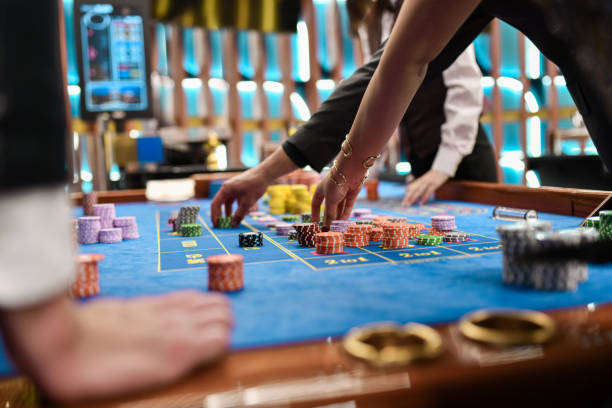
Furthermore, the emotional highs and lows associated with gambling can profoundly impact decision-making processes. For instance, a player who experiences a significant win may feel emboldened, leading them to take greater risks as they believe their luck will continue. Conversely, following a series of losses, a player may become despondent and make impulsive decisions in an attempt to chase losses or regain a sense of control. This highlights the critical role of emotional regulation in gambling; maintaining emotional equilibrium can empower players to make more informed choices about their betting strategies.
Understanding the psychological impact of emotions on gambling behaviors can equip individuals with the tools they need to develop healthier habits. By acknowledging their emotional triggers and setting boundaries, players can cultivate a more balanced approach to gambling. This awareness not only enhances decision-making during play but also fosters a healthier relationship with gambling overall, significantly reducing the risk of developing problematic gaming behaviors.
Additional Resources for Responsible Gaming
For those interested in exploring the psychology behind casino gambling and its effects on individual behavior, numerous resources are available to promote responsible gaming. Various organizations offer valuable information on understanding gambling addiction, recognizing warning signs, and implementing strategies for safe gaming practices. These resources are designed to assist players in managing their gambling habits effectively, fostering a more enjoyable and responsible gaming experience.
Websites dedicated to responsible gaming provide tools such as self-assessment questionnaires, budgeting tips, and advice on setting limits. These organizations aim to empower individuals by equipping them with knowledge and skills to navigate the gambling landscape. Educational materials can also shed light on the psychological aspects of gambling, encouraging players to reflect on their motivations and behaviors, fostering greater self-awareness.
Ultimately, promoting awareness and education surrounding gambling psychology is crucial for enhancing safe practices within the gambling community. Players who invest time in understanding their motivations and the psychological influences at work can engage in gambling more mindfully, ensuring a healthier and more sustainable experience both on and off the casino floor. By prioritizing responsibility and self-awareness, individuals can enjoy the thrills of gambling while safeguarding their well-being.

0 Comments